Building a new home raises a lot of electrical questions, but panel amperage almost always comes up first. Can a 200 amp electrical panel handle a modern residence with an EV charger, central air conditioning, and energy-hungry appliances?
The short answer: yes, in the vast majority of cases. A 200 amp electrical panel is today’s standard for any new construction in Quebec.
What the Building Code Requires
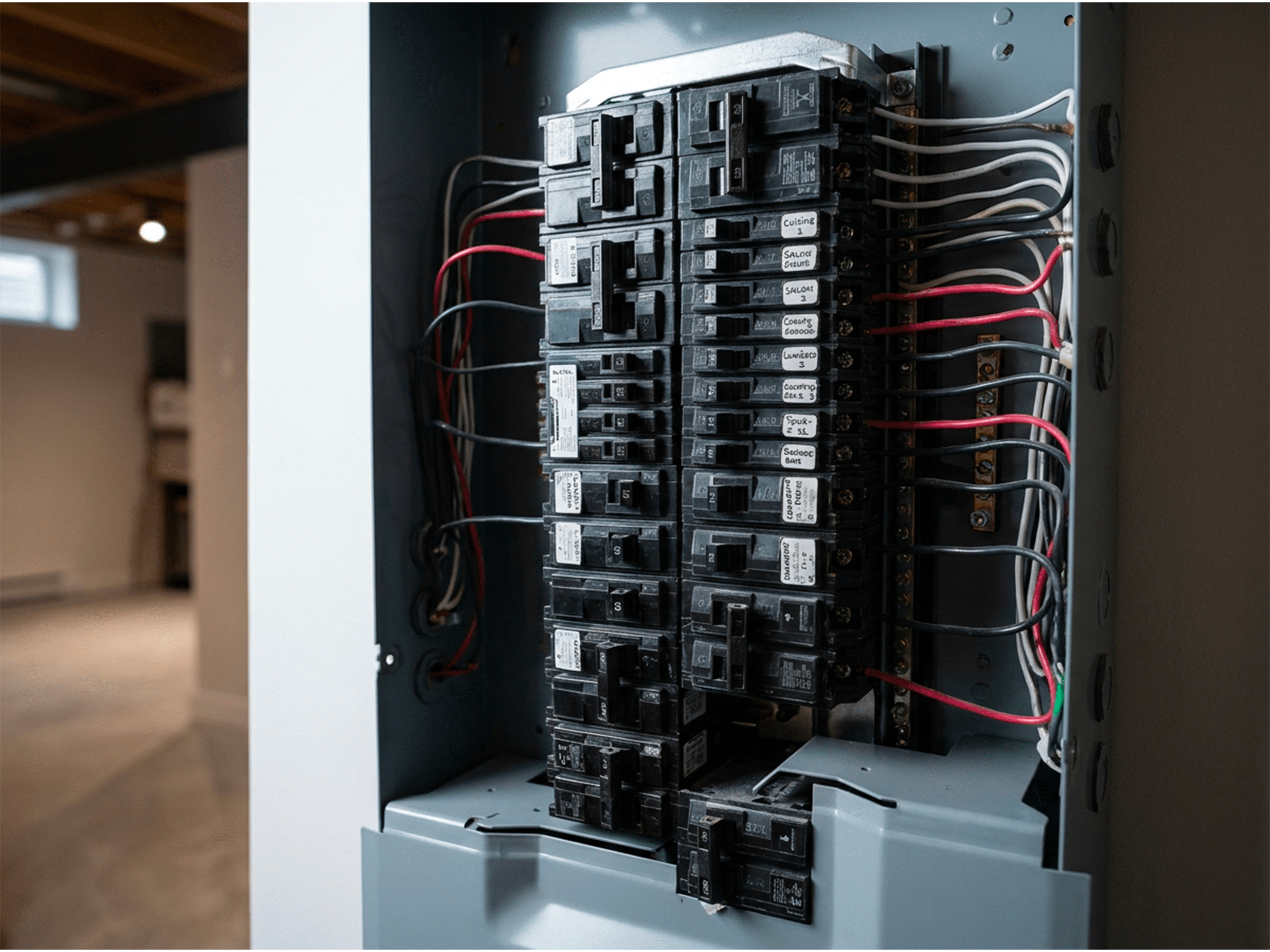
Quebec’s Construction Code, administered by the Régie du bâtiment (RBQ), sets the minimum requirements for residential electrical installations. For new construction, the code requires a minimum of 40 circuits with a 200-ampere capacity.
One important technical detail: the Code limits continuous use to 80% of the panel’s rated capacity. In practice, a 200 amp panel delivers 160 usable amperes of continuous capacity. That safety margin protects against overheating and nuisance tripping.
Why the 200 Amp Electrical Panel Became the Standard
A 200 amp electrical panel provides enough capacity to simultaneously power the typical equipment found in a new home in the Outaouais region. Here’s how the load breaks down.
Electric heating is the single largest demand. A 2,000-square-foot home with electric baseboard heaters can draw 80 to 100 amps during winter peak periods.
An EV charging station adds a significant load on top of that. A Level 2 charger rated at 48 amps requires a 60-amp breaker under the Code’s 125% rule. That’s nearly a third of the usable capacity in a 200 amp panel.
Appliances (electric range: 40A, dryer: 30A), central air conditioning (30 to 50A), and other equipment round out the picture.
Our earlier article on where to install the electrical panel in a new home is worth reading alongside this one. Panel placement and capacity go hand in hand: a well-located 200 amp panel covers the needs of most residences while leaving room for future additions.
When to Consider 400 Amps
Some situations justify a 400-amp electrical service, though they remain the exception in residential construction:
• Multi-generational homes with two full kitchens.
• Very large homes over 4,000 square feet with full electric heating.
• Properties with multiple high-draw systems running simultaneously: two EV chargers, a hot tub, a heated pool, a workshop with industrial tools.
Moving to 400 amps comes with a significant cost difference. Based on Quebec market data, a 400-amp panel starts at around $15,000, roughly double the cost of a standard 200-amp installation. Add heavier wiring, a larger service mast, and potentially extra connection fees from Hydro-Québec.
A 320-amp electrical service, which VoltMax uses regularly on larger projects, is an excellent middle ground between 200A and 400A. It accommodates serious loads without the full cost jump of a 400-amp installation.
Planning Ahead: The Real Issue
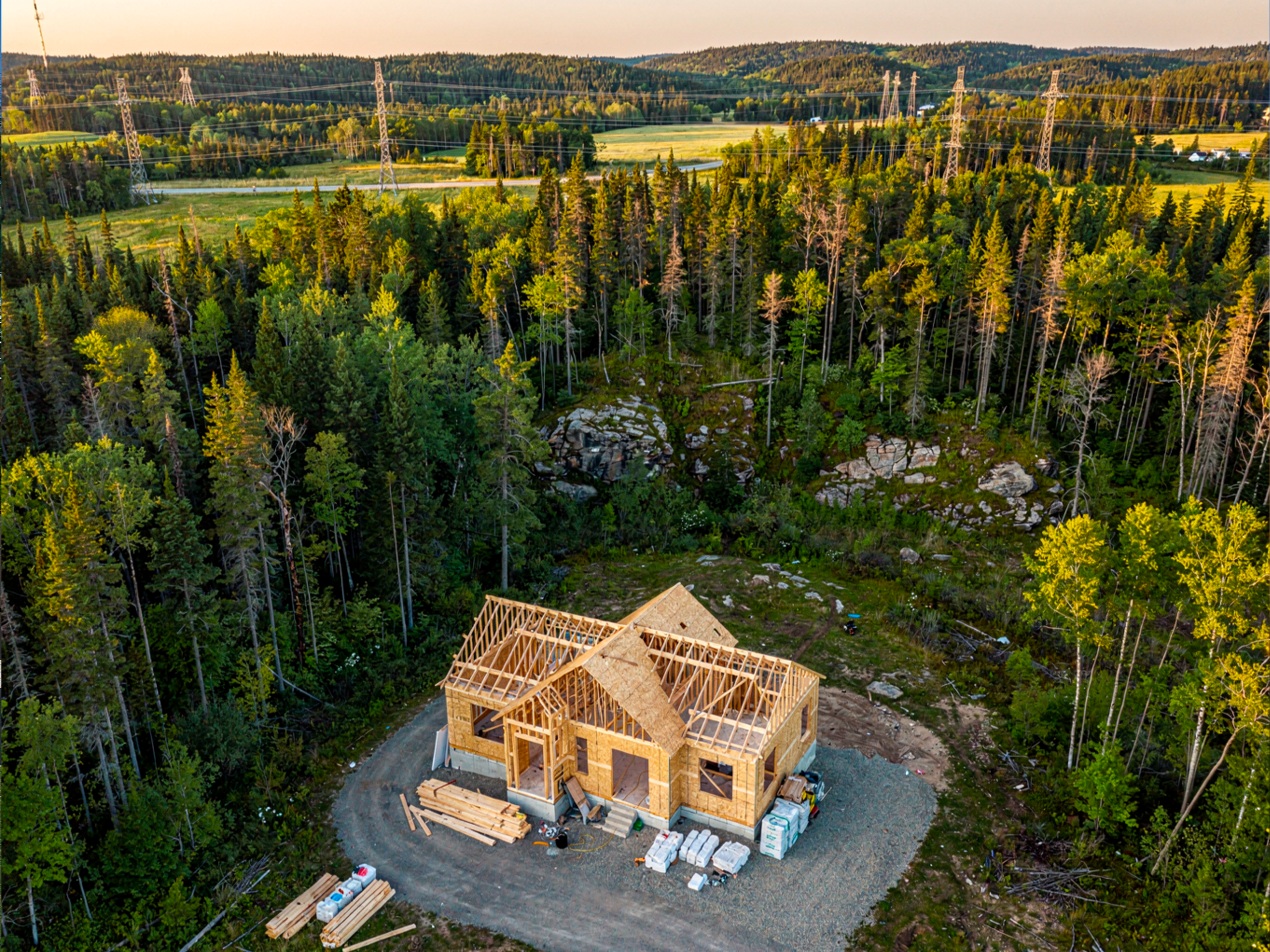
The amperage decision should happen early in the new construction process. Once the foundation is poured and the service mast is installed, upgrading the electrical service capacity becomes complex and expensive.
A master electrician like VoltMax can calculate the anticipated electrical load for a future home by adding up all planned equipment. That load calculation, based on Quebec Building Code rules, determines whether a 200 amp panel will be sufficient or whether a higher capacity is the right call.
For most new construction projects in the Outaouais region, the 200 amp electrical panel remains the right choice. With 160 usable amperes of continuous capacity, it covers today’s needs while leaving a buffer for whatever comes next.
To talk through your new construction project and explore your electrical panel options, reach out to us.
(819) 360-3215 entreprisevoltmax@gmail.com